Your Trusted, Independent Hearing Service — Est. 2009

Your Trusted, Independent Hearing Service — Est. 2009

Hearing aids

How long do hearing aids last, and when should you upgrade?

Quick answer

Most hearing aids last around 5 to 10 years, and some last longer with good care. How long yours last depends on the model, how you look after them and how your hearing changes. Age alone isn't a reason to replace them. Think about upgrading if your hearing has changed, they keep needing repairs, or they no longer suit your daily life. A hearing test and a check of your current hearing aids will show what you need.

Written by

Interhearing

Clinically reviewed by

John Beharrell

·

Consultant Audiologist

· HCPC

HAD00083

Published

· Updated

· Last reviewed

Key points

  • Most hearing aids last around 5 to 10 years.

  • Daily cleaning, keeping them dry and regular servicing help them last longer.

  • Upgrade when your hearing, your needs or their reliability change, not just because of age.

  • Start with a hearing test and a check of your current hearing aids.

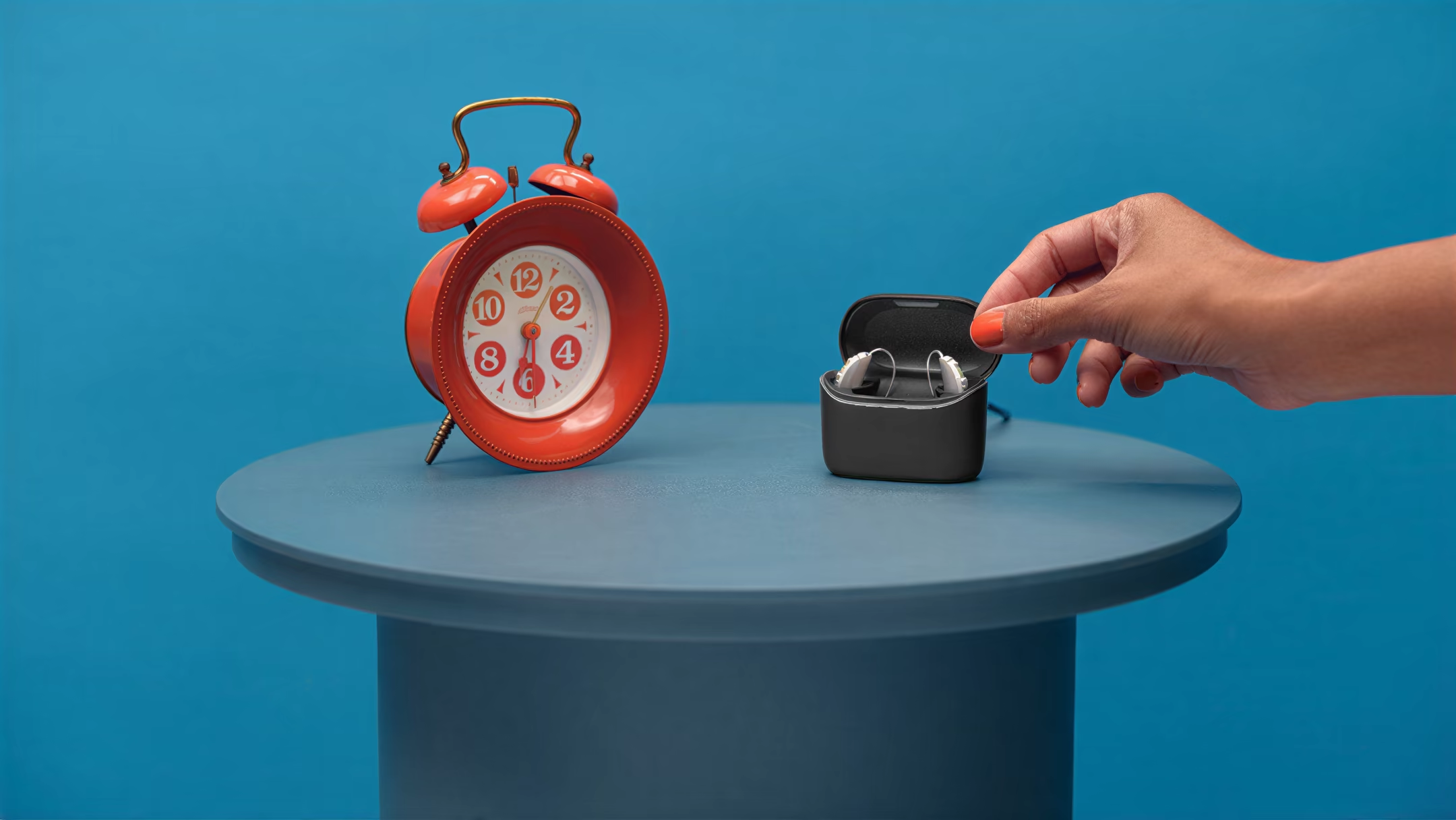
Oticon Zeal hearing aids with their charging case and the Oticon app, an example of the latest rechargeable hearing aids

Worn hearing aids for a few years? Here's how long they usually last, when it's time for new ones, and what to check first.

How long do hearing aids usually last?

Most hearing aids last around 5 to 10 years, and some last longer with good care.

There's no fixed date when a hearing aid stops being useful. Two things decide it. The first is the hearing aid itself: how well it's built, how it's used and how it's looked after. The second is your hearing, which can change over time. A hearing aid can still work perfectly but no longer be set up for the hearing you have now.

So age is a guide, not a rule. A five-year-old hearing aid that still suits you doesn't need replacing. A two-year-old one that no longer helps you follow conversations might need a check.

How can you make your hearing aids last longer?

Daily care makes the biggest difference. Hearing aids sit in a warm, damp place all day, close to earwax and sweat.

  • Clean them every day with a soft, dry cloth or brush. Your audiologist will show you how. Our hearing aid instructions and guides cover the main makes.

  • Change wax guards, domes and tubes when they look dirty or stiff. Many NHS audiology services say tubes on ear moulds need changing about every 4 to 6 months.

  • Keep them dry. Take them out before a shower or swim, and store them somewhere dry overnight.

  • Keep them away from heat, such as a sunny windowsill or a car on a hot day.

  • Have them serviced regularly. Many NHS services suggest a service every 4 to 6 months.

  • Keep on top of earwax. A build-up can block the speaker and make hearing aids whistle. Read more about why hearing aids whistle and how to prevent earwax build-up.

If you're helping a parent with their hearing, these small jobs are a good place to start. A quick clean each evening helps a lot.

What are the signs it's time to upgrade?

It may be time to think about new hearing aids if:

  • your hearing has changed. You keep turning them up, or you struggle more than you used to, even when they're working.

  • they keep needing repairs, or they stop working without warning.

  • conversations in busy places have become harder, such as cafés, family meals or meetings.

  • your daily life has changed. You might want to take phone calls or listen to TV through your hearing aids.

  • they've become hard to handle. Small batteries and fiddly controls can get harder to manage over time.

  • they're out of warranty and repair costs are adding up.

One sign on its own doesn't mean you need new hearing aids. But if several of these sound familiar, it's worth having a check.

If your hearing changes suddenly, don't wait for a hearing aid appointment: ask for an urgent GP appointment or contact NHS 111 the same day.

Do you need new hearing aids, or just an adjustment?

Not always. Before you spend money, rule out the simple fixes. A struggling hearing aid is sometimes:

  • blocked with wax, or has a dirty dome or stiff tube;

  • set up for your hearing as it was a few years ago;

  • not fitting as well as it did, because ears can change shape over time.

A hearing test shows whether your hearing has changed. Your audiologist can then check whether your current hearing aids can be adjusted to match. Sometimes a clean and a new setting is all that's needed. If it isn't, you'll know why, and you can compare your old hearing aids with new ones before you decide.

At Interhearing, a hearing test is free if you're 60 or over. Otherwise it costs £25.

Hearing aids not keeping up?

Try the latest hearing aids free for 14 days.

What's different about newer hearing aids?

Hearing aids change every few years. Depending on the model, newer hearing aids may offer:

  • rechargeable batteries, so you charge them overnight instead of changing tiny batteries. See rechargeable hearing aids.

  • Bluetooth, so you can stream phone calls, music or TV sound straight to your hearing aids. See Bluetooth hearing aids.

  • smaller styles, including models that sit inside the ear.

Newer isn't automatically better for you. The right hearing aid depends on your hearing, your ears, your hands and how you live. That's why we suggest trying them in your everyday life before you decide.

I have NHS hearing aids. Can I upgrade?

NHS hearing aids are free, as a long-term loan, with free batteries and repairs. If they work well for you, there may be no reason to change.

Many NHS audiology departments suggest a new hearing test every 3 to 5 years, or sooner if your hearing changes. Contact your NHS audiology department if you think your hearing aids aren't helping as much as they did.

Some people choose private hearing aids for a wider choice of styles and features, or a shorter wait. You don't need a GP referral to see us. Read more in private vs NHS hearing aids.

Can you adjust hearing aids from another provider?

We'll be honest. We can't reprogram hearing aids fitted by Hidden Hearing or Amplifon (now Audika). If yours came from one of them, they're the best place to go for adjustments to those hearing aids.

For hearing aids from other providers, it depends on the make and model. Ask us, and we'll tell you before you book.

Wherever your hearing aids came from, we can test your hearing and talk you through your options. If new hearing aids would help, you can try them free for 14 days and compare them with the ones you have. If you're weighing up providers, see independent hearing care vs Hidden Hearing.

How much does it cost to upgrade?

The price depends on the make, the style and the level of technology. We publish our hearing aid prices so you can compare them with any quote you've had.

Our prices include:

  • professional fitting;

  • aftercare for the life of the hearing aids;

  • a 2, 3 or 5 year manufacturer's warranty, depending on the model;

  • our 60-day money-back guarantee.

You can spread the cost with a 12-month payment plan. Ask us for details.

When you compare quotes, check whether the price is for one hearing aid or a pair, and what aftercare and warranty are included.

What happens when you upgrade with us?

  1. Hearing test. About 45 minutes with an audiologist. Bring your current hearing aids, so we can see how they're set up.

  2. Talk through your options. We work with Phonak, Oticon, Starkey, ReSound, Signia, Widex, Unitron and Bernafon, so we're not tied to one brand.

  3. Free 14-day hearing aid trial. A fitting appointment of about 45 minutes, then you wear them at home, at work and out and about. There's no obligation to buy.

  4. Decide. Keep them only if you can hear the difference.

We fit hearing aids at our clinics in Shrewsbury, Telford, Wolverhampton and Church Stretton. Clinics are open Monday to Friday, 8am to 6pm. Our phone line is also open on Saturdays, 9am to 1pm, on 0800 002 9503.

Next step

Ready to compare your old hearing aids with new ones?

Book a free hearing aid trial

Sources

Clinically reviewed by

Consultant Audiologist

BSc, MSc

HCPC-registered, HAD00083