Does Your Diet Affect Earwax Production?
Written by
John Beharrell
Published





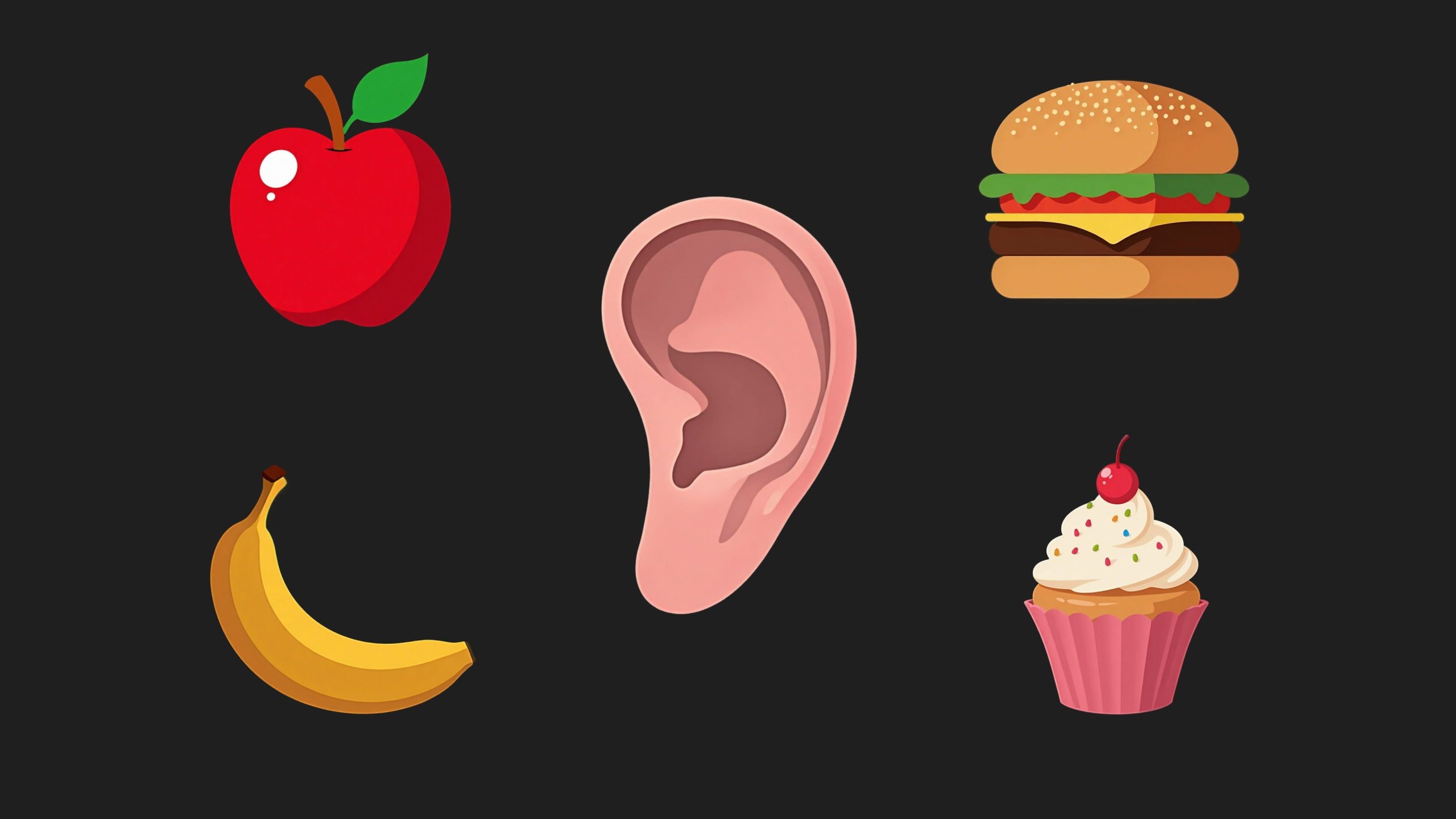
There's a growing interest in how diet can influence our body's natural functions, and earwax production might be one of them. While research is ongoing, there are some possible connections between what we eat and the amount of earwax we produce.
What Role Does Earwax Play in Our Ear Health?
While often perceived as an unpleasant necessity, cerumen, more commonly known as earwax, plays a vital role in maintaining aural health. Produced by specialised glands within the ear canal, this waxy substance acts as a natural defense system and possesses lubricating properties, keeping the ear canal comfortable and functioning optimally. In addition, earwax is slightly acidic and this creates an inhospitable environment for bacterial growth, offering a first line of defense against infections.
The Link Between Diet and Earwax Production
It is thought that certain foods might influence earwax production. For example, some people believe that diets high in unhealthy fats, found in fried foods and processed meats, could trigger inflammation, potentially affecting the ear canal and its wax-producing glands.
Foods That Might Increase Earwax Production
Some dieticians suspected that foods high in saturated and unhealthy fats may be linked to an increase in earwax production. In addition, there is some anecdotal evidence to suggest that dairy products, particularly for those with lactose intolerance, and sugary drinks might contribute to clogged ears due to potential inflammatory properties.. Research in this area however remains limited, so it's important to consult with a healthcare professional if you have concerns about your ears.
Foods to Avoid for Clogged Ears
If you're prone to earwax buildup or regularly find that your ears are clogged and feeling blocked, you might also want to consider reducing your intake of processed foods, which are often high in sodium, as dehydration can also make earwax thicker and more difficult to remove naturally, so staying hydrated is important and essential to our overall health and well-being.
And it is thought that excessive sodium consumption may have a detrimental impact on aural health as a high dietary sodium intake is associated with fluid retention, which can lead to swelling in the delicate inner ear structures. This edema (swelling) has also been linked to hearing loss or tinnitus.

Can Drinking Caffeine and Alcohol Harm my Ears?
While the science on caffeine and alcohol's direct impact on hearing loss is still developing, there's reason to be mindful of excessive consumption both regarding our hearing health and our general health and well-being. Both substances can potentially affect the delicate inner ear in different ways. Caffeine might hinder the recovery of temporary hearing loss, while high alcohol intake can cause blood vessel swelling and temporary tinnitus (ringing in the ears).
It is also well documented that caffeine and alcohol consumption can also lead to dehydration, which can disrupt the delicate balance of fluids within the inner ear and has been associated with symptoms such as dizziness and vertigo.
Foods That Can Prevent Earwax Buildup
While specific "earwax-preventing" foods haven't been identified, a healthy diet rich in fruits, vegetables, and whole grains can contribute to overall ear health and can also promote better general health too. These foods are typically packed with vitamins and minerals that help with the healthy functioning of the body, including the ears. In addition, a balanced diet rich in healthy fats, like those from avocados, nuts, and fish, could also improve our ear health.
Other Factors Impacting Earwax Production
Besides diet, other factors can influence earwax production. Age, genetics, and even using cotton swabs or DIY ear cleaning devices to try to clear your ears of wax (which can actually push earwax further into the ear canal and potentially cause damage) can all play a role. Maintaining proper ear hygiene gives our ears the best chance of naturally expelling earwax, however, earwax build-up can happen to anyone, so regular ear health checks and safe earwax removal at a specialist clinic will ensure that your ears stay clearer for longer.
Key Points and Maintaining Ear Health Through Diet
In summary, the link between diet and earwax production requires further research but there are some studies to suggest that some high fat and processed foods could affect our ear health and may increase earwax production and ear blockages. On the other hand, maintaining a balanced diet and staying hydrated can contribute to overall ear health.
If you have concerns about excessive earwax buildup or blocked ears, it’s always a positive step to consult a healthcare professional or ear care specialist who can offer personalised advice about safe, effective earwax removal.


