Earwax, although essential to our ear health, can become problematic when it builds up excessively and can often cause problems such as hearing loss, earache or tinnitus.
Why do we need earwax?
Earwax performs a vital role for our ear health by forming a barrier against dirt, debris and insects, preventing them from reaching the eardrum. Ear wax also moisturises the ear canal, helping to reduce dryness and irritation, it also contains antibacterial properties.
Can our ears naturally clear earwax?
Our ears are designed to naturally expel earwax, as the skin lining your ear canals grows in an outward spiral pattern, slowly pushing earwax (along with any trapped dirt or debris) away from the eardrum towards the outer ear. Subtle movement of the jaw when we chew or talk can also help to dislodge earwax.
When old earwax and debris reaches the outer ear, it dries up and naturally flakes off, often while you're sleeping or in the shower. Despite this, it is common for earwax to build up sufficiently to cause a blockage.
Recognising the Signs of Earwax Build-up
Recognising the signs of earwax build-up can help you identify potential problems early and enable you to take action before the issue becomes worse. Some common issues are:
Hearing loss: Blocked ear canals can muffle sounds, making it harder to hear.
Earache: Pressure from the wax can cause discomfort and pain.
Tinnitus: Ringing or buzzing noises in the ear might be present due to the blockage.
Fullness: A clogged sensation within the ear canal is common with an ear wax blockage.
Itchiness: Ear wax build-up can irritate the delicate ear canal skin.
Infections: In severe cases, a build-up can trap moisture and bacteria, which could lead to ear infections.
Importance of early detection and prevention
Early detection and prevention of ear wax build-up, which may become impacted, can significantly reduce the risk of experiencing the discomfort and problems which come with blocked ears, such as hearing loss, ear pain, tinnitus and itchiness. When we recognise and act upon the early symptoms of earwax build-up we are safeguarding our future hearing health.
How to prevent earwax build-up?
There are many simple ways which can effectively help to prevent excessive ear wax build-up such as:
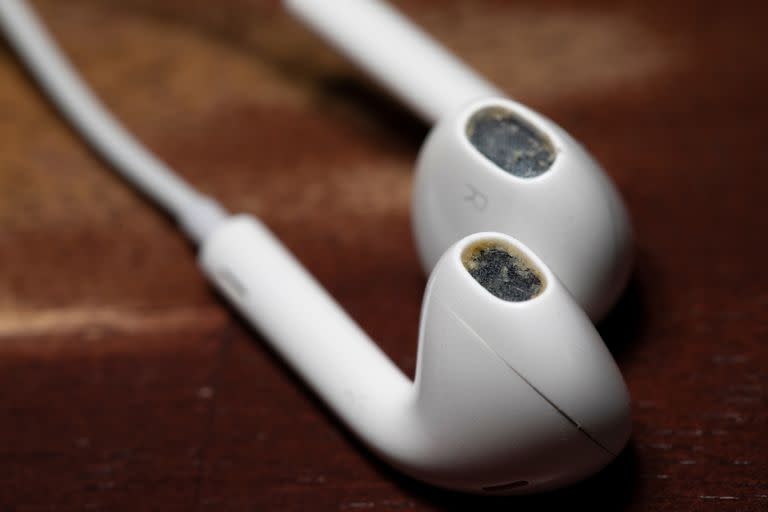
Avoid inserting anything into the ear: Inserting cotton buds and ear wax removal tools in to your ear (or even using your fingernails) can actually push earwax deeper into the ear canal, potentially causing impaction and damage to the delicate skin lining the canal, which may also increase the risk of infection.
Use ear drops: Over-the-counter ear drops (including olive oil drops) can help soften earwax, allowing it to move out of the ear canal naturally. However, it is important to consult a healthcare professional before using ear drops regularly, especially if you have any pre-existing or reoccurring ear problems.
Learn: How do earwax removal drops work?
Dry your ears: After showering or swimming, gently dry your outer ears with a soft towel, as trapped water and moisture can hinder the natural migration of ear wax and promote bacterial growth which may lead to infection.
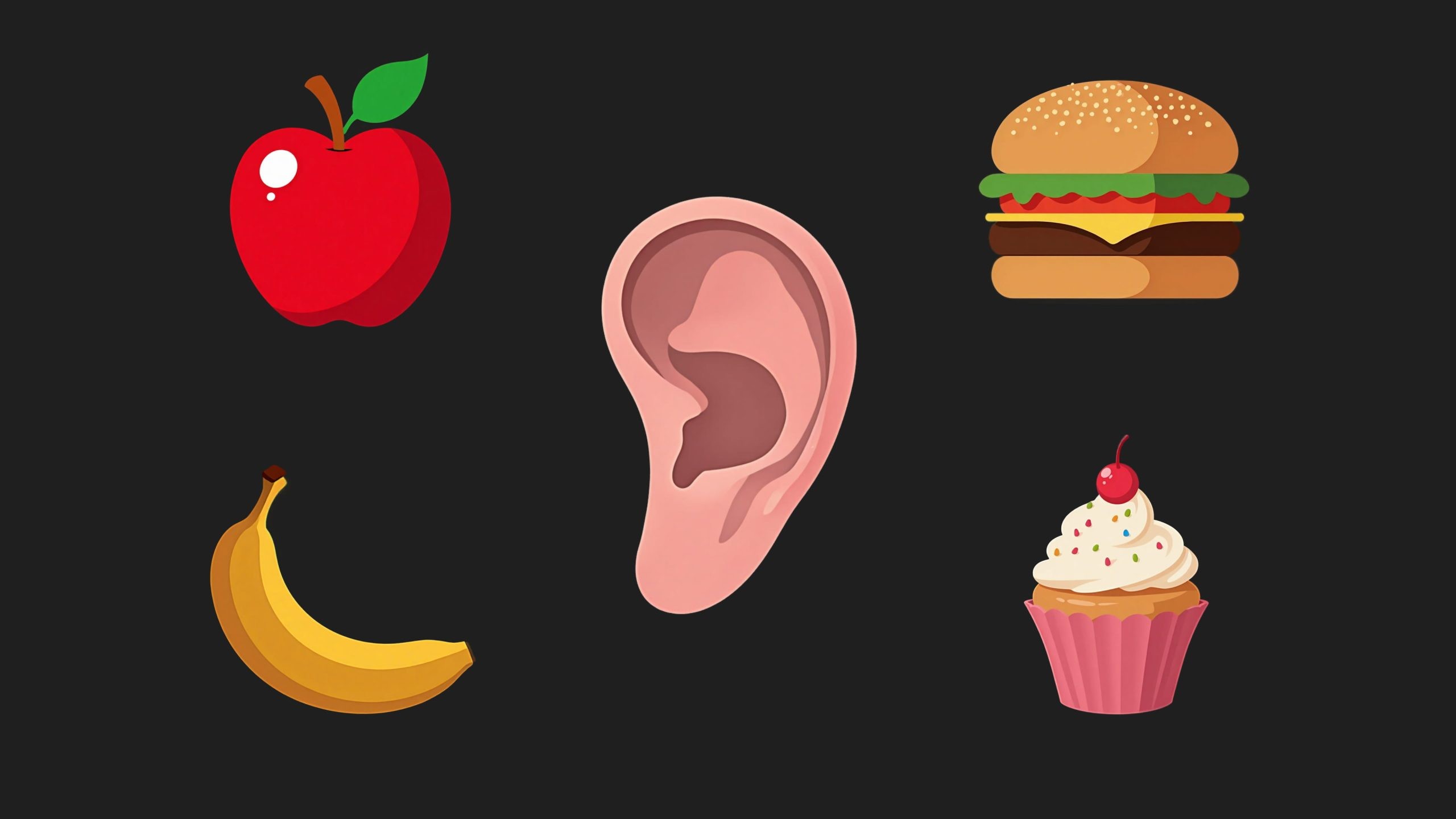
Diet and Ear Wax Build-Up
Research into links between diet, hydration and earwax production are currently limited, however there are some potential connections and important considerations. For example, some studies suggest that high dairy intake, in some individuals, might be associated with stickier earwax, potentially increasing the risk of build-up.